Personal Finance
Estate Ring, Nine Thousand Dollar Valuation, Four Thousand Dollar Price. Which Number Is Real?
A composite case shows how one question about a gemstone report separates an appraisal written for insurance from a price written for a sale.
Personal Finance·Osman Duraklar
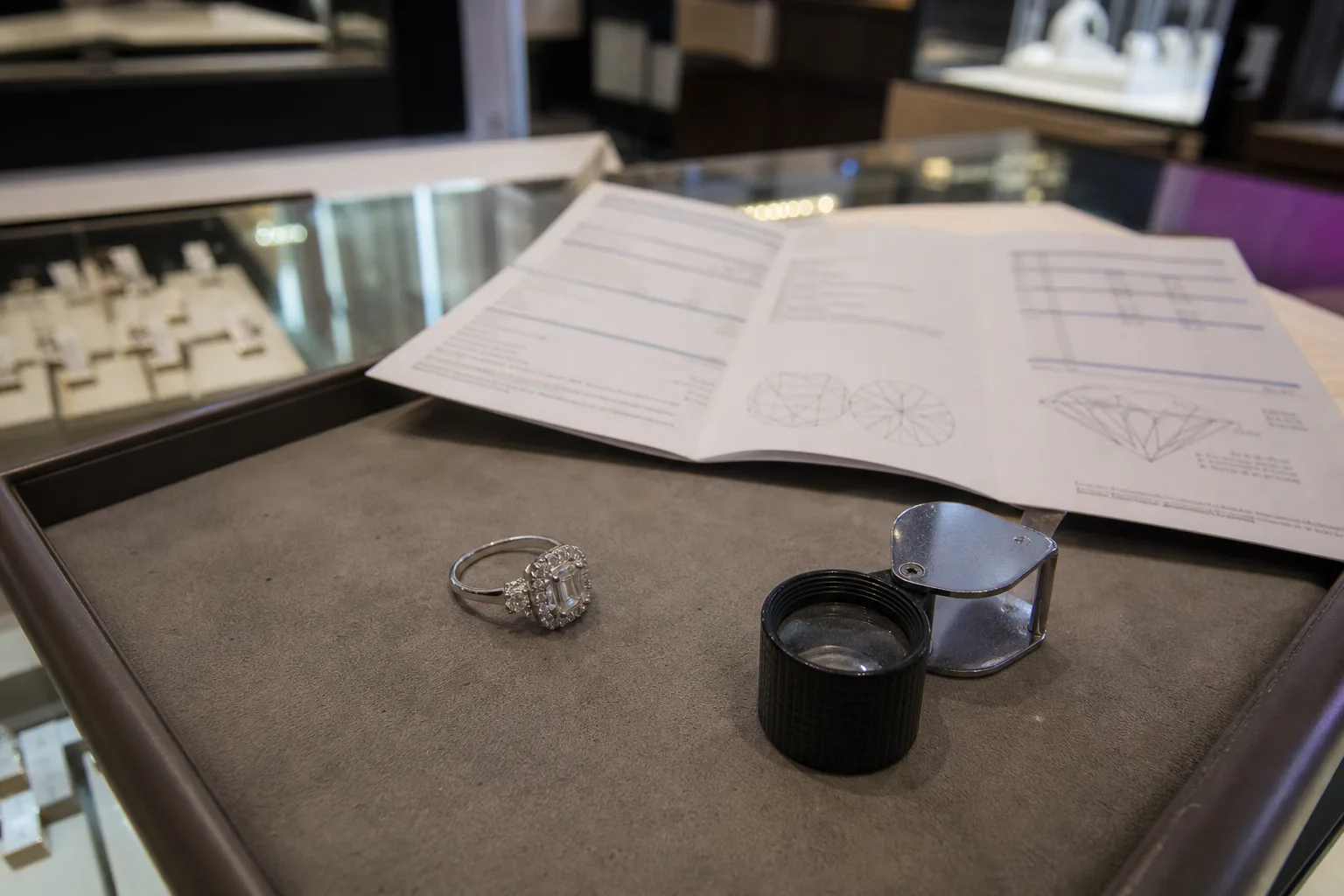
The ring sat in a consignment case with a folder beside it, and the folder was the reason the buyer kept coming back. Asking price in the low four figures. Valuation document in the folder, prepared by the store's own appraiser, roughly twice that. The buyer read the gap as a discount. It was not a discount, and working out what it actually was took four questions, one phone call, and about ten days. The case below is a composite of a transaction that plays out in estate cases and online listings constantly, and the sequence it follows is the useful part.
Two documents doing two different jobs
The folder held one page that described the stone and one page that assigned a dollar figure, and buyers routinely treat these as the same document. They are not. A grading report from an independent laboratory describes what the stone is: carat weight, color and clarity assessments, measurements, whether it is natural or laboratory-grown, and whether it shows evidence of treatment. It carries no price. An appraisal assigns a value, and the value depends entirely on which definition of value the appraiser was asked to use. Replacement value, the figure an insurer would use to schedule the piece, is normally the highest of the available definitions.
That distinction explains most of the gap in this case. The valuation in the folder was a retail replacement figure, written to support an insurance policy, calculated from what it would cost to go out and buy a comparable new piece at full retail. The asking price was closer to what the piece would fetch in a resale market where supply is wide and buyers are few. Neither number was dishonest. They were answers to different questions, and the buyer had been reading the answer to a question nobody asked.
What changed, and why it changed the first question
The question that used to come third now comes first: is the stone natural or laboratory-grown? For most of the period when the estate market took shape, that question barely arose, because grown stones of jewelry size were uncommon and the ones that existed were not circulating through secondhand cases. That is no longer true. Grown diamonds are now produced at scale, sold openly, and graded by the major laboratories using the same color and clarity vocabulary applied to mined stones, which means a report can look entirely familiar while describing something with a very different resale trajectory.
The disclosure rules followed the market. The Federal Trade Commission, which oversees how jewelry is described and advertised to consumers in the United States, tightened what sellers must say about origin, and the practical effect is that a grown stone has to be identified as grown, plainly, at the point of sale and in the paperwork. The honest difficulty is in older pieces and in small accent stones, where the original documentation predates the change or never existed. Laboratories now screen melee for exactly this reason, and a jeweler with a screening instrument can resolve it in minutes.
Prices moved with the supply. Grown stones have fallen substantially against mined equivalents over the past several years, and the direction is still downward, which means a valuation written against grown retail pricing even two or three years ago may describe a replacement cost that no longer exists. Ask when the valuation was written. Ask what it was written against. A figure with no stated date and no stated basis is not a figure, it is a decoration.
The protections that already apply, before anything is negotiated
Several things are settled by law rather than by the seller's goodwill, and knowing which ones shortens the conversation. Metal purity marks are regulated: a piece stamped with a karat mark is making a claim about its gold content that has to be accurate within a defined tolerance, and a quality mark applied by a United States manufacturer is supposed to sit alongside a registered maker's mark. Treatments that materially affect a gemstone's value or durability have to be disclosed, which covers fracture filling, heat, irradiation and clarity enhancement. Any of those can be entirely acceptable. None of them is acceptable undisclosed.
The remaining protections are ones the buyer has to secure in writing on the day. A return window on an estate piece is a policy, not a right, and consignment stock is frequently sold on shorter terms than new inventory, so get the number of days and the condition the piece must come back in recorded on the receipt. Pay with a card rather than a wire or a payment app, because the dispute mechanism behind a card is real and the mechanism behind a transfer is mostly goodwill. Ask for the piece to be described on the receipt in the same words the report uses.
How the composite case resolved
The buyer asked for the laboratory report rather than the valuation and found there was none, only the in-house document. The ring went out to an independent gemologist for a fee in the low hundreds, which came back confirming a natural center stone, two treated accent stones disclosed nowhere in the folder, and a center weight slightly under the figure on the valuation. That revised the market range downward by a meaningful amount and gave the buyer something to negotiate against that was not a feeling. The piece sold at a few hundred dollars below asking, with the report attached, and the insurance scheduling that followed used the independent figure.
Ten days and a few hundred dollars bought a description that survives a later claim, a resale conversation, and an appraisal review. The valuation in the folder was never the number that mattered. The report was.