Homes
First House, First Winter? Five Small Jobs Where Good and Barely Adequate Look Identical
Five routine upkeep tasks where a finished-looking job and a genuinely finished job diverge, and where the difference shows up on a bill years later.
Homes·Harriet Bosworth
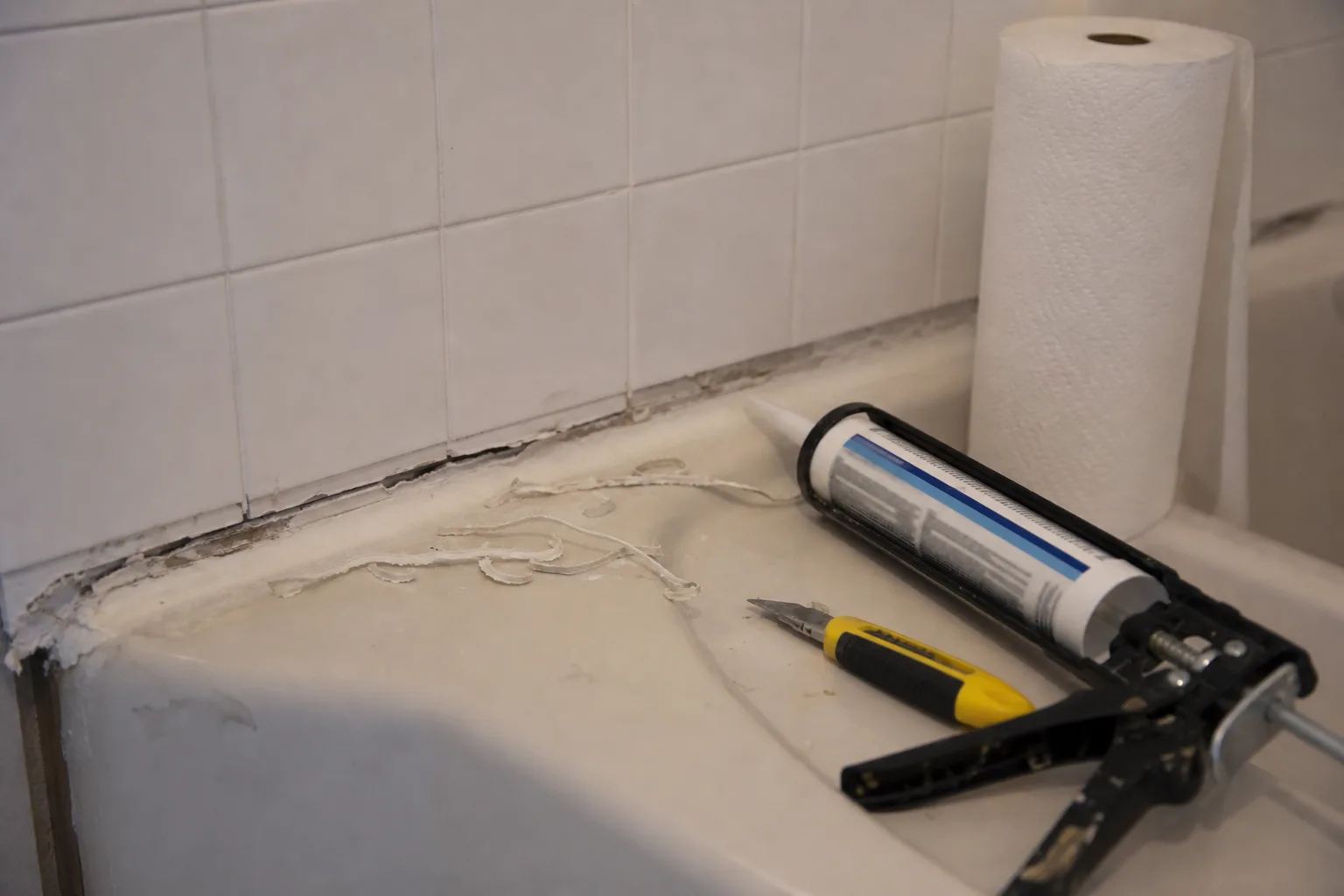
Almost every maintenance task in a house has two versions that look identical when you put the tools away. One of them holds for a decade. The other holds until the first hard freeze, or the first week of humidity, or the first time somebody runs a long shower with the door shut. First-time owners tend to judge their own work by appearance, because appearance is the only feedback available on the day, and that is exactly the wrong standard. What follows are five common jobs, why the standard exists in each case, and the specific detail that separates a repair from a postponement.
The caulk joint at the tub, where the failure is behind the tile
Caulk at the tub-to-tile joint exists because that joint moves. A filled tub weighs a few hundred pounds, the tub drops slightly, and the tile does not, so a rigid material cracks and a flexible one stretches. New owners almost always run fresh caulk over old caulk, which looks clean and lasts about a season, because the new bead is only bonded to a failing one. The good version means cutting the old material out completely, drying the joint, and filling it with the tub full of water so the bead cures in its stretched position. Water that gets past that joint does not evaporate. It goes into the subfloor.
The bathroom fan that runs but does not exhaust
A bathroom fan is a moisture removal device, not a noise, and the Environmental Protection Agency is the federal body responsible for indoor air quality and moisture control guidance in homes. The barely adequate check is standing under the grille and hearing the motor. The real check is holding a square of toilet paper to the grille and seeing whether it holds against the vent, then going into the attic and confirming the duct actually leaves the building. A surprising number of fans in older houses terminate in the attic, or connect to a flex duct that has fallen off the housing entirely, which means every shower deposits its moisture into the insulation above the ceiling instead of outside.
The filter change that skips the drain
Changing a furnace filter is the single easiest upkeep task in a house and the one most likely to be treated as the whole job. The filter protects the coil; a clogged filter starves airflow, the coil ices, and the system works harder for less. But the same cabinet holds a condensate drain line, and in cooling season that line carries a steady trickle of water out of the house. When algae or dust closes it, the water backs up into the pan and then into whatever is under the air handler, which in a lot of houses is a finished ceiling. The good version of a filter change includes checking that the drain runs, and clearing it if it does not.
The shutoff valves nobody touches until the day they must
Valves seize because they sit. A gate valve left untouched for fifteen years develops mineral buildup on the stem, and the first person to force it, usually somebody standing in an inch of water at eleven at night, snaps the handle off. The reason plumbers advise exercising valves annually is mechanical rather than bureaucratic: moving the stem keeps the seat clear. A first-time owner should find and label three things before anything goes wrong, which are the main shutoff, the water heater supply valve, and the individual stops under each sink and toilet. Turn each one fully closed and fully open once a year. A valve that will not move is a small scheduled repair now and an emergency later.
Paint at the end grain, which is where wood actually fails
Exterior paint is a water management system that happens to have color. Wood drinks through its cut ends far faster than through its faces, so rot on a window sill, a trim board, or a deck rail almost always starts at a joint, a nail hole, or a sawn end, not in the middle of a flat surface. The barely adequate job is two coats rolled across everything visible. The good job is primer worked into every cut end and every fastener hole first, with the joints sealed, before any finish coat goes on. That distinction is the difference between repainting in eight years and replacing trim in five.
None of these tasks takes long, and none of them requires a specialist. What they require is knowing which part of the job is the load-bearing part, because in each case the visible portion and the protective portion are not the same thing. A first-time owner who learns to ask what a task is actually protecting against will finish faster, spend less, and stop guessing whether the work held.