Homes
Put Off Resealing the Shower Ten Years Ago? The Same Decision Costs Differently Now
Deferring a small upkeep job used to be a cheap bet. Labor minimums, warranty conditions and gradual damage exclusions have quietly changed the math on the customer's side.
Homes·Harriet Bosworth
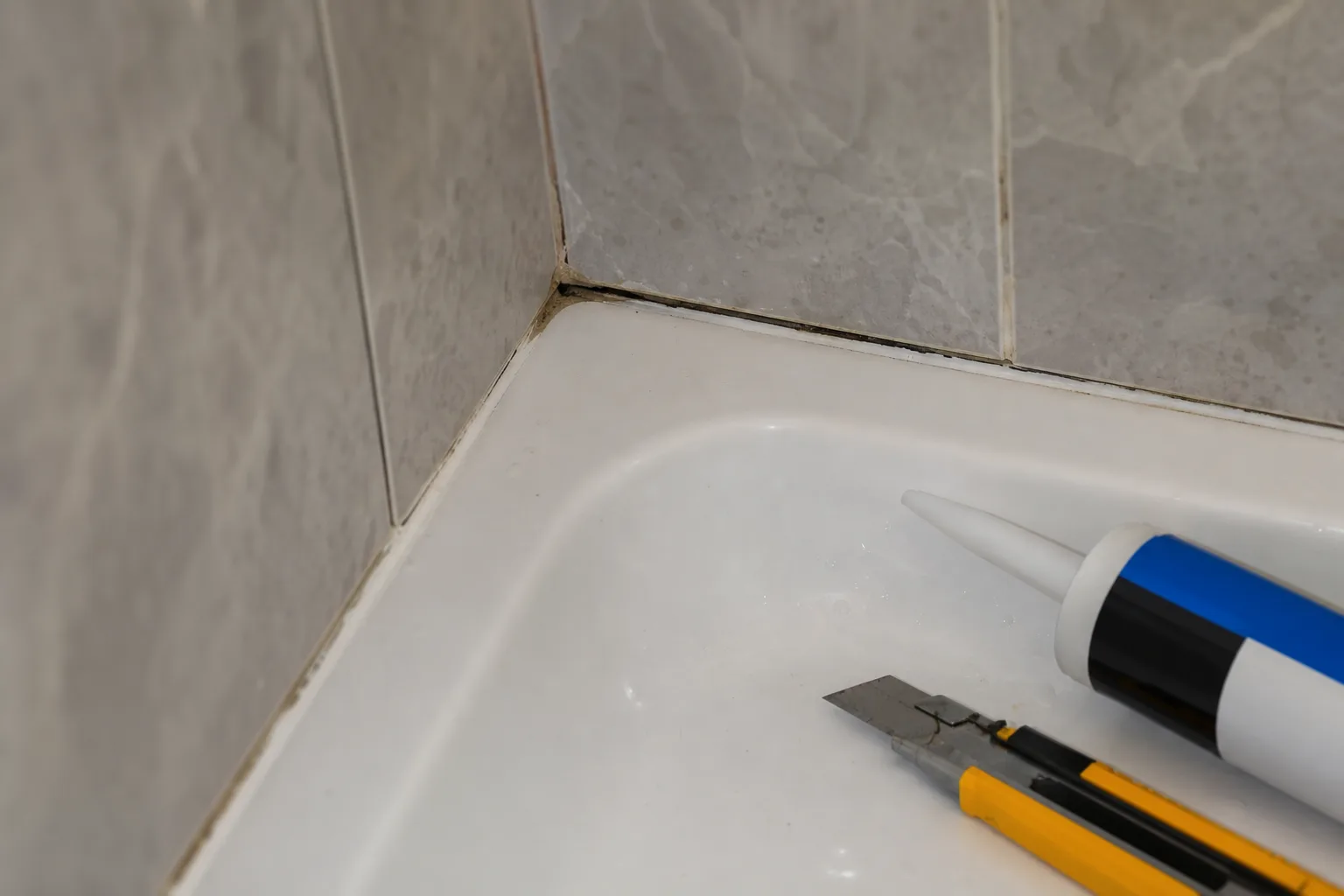
The failed bead of caulk where a shower pan meets tile is the cheapest repair in a house, and it is the one most people push to next month, because nothing is visibly wrong and the shower still drains. A decade ago that deferral was close to rational. The job was small, the tradespeople who did small jobs were plentiful, and the consequences of being wrong were absorbed by a repair market that priced patchwork cheaply. The same decision made this year runs through a different set of institutions, and the cost of being wrong has moved.
The old math rewarded waiting, and it was not irrational
Rules and prices both exist for reasons, and the reason small deferrals used to be cheap is that the labor market underneath them was loose. Ten years ago a homeowner with a suspect caulk line could call a tile setter who was between jobs, get him out for a short visit, and pay for an hour of work plus a tube of sealant. There was no minimum. There was rarely a diagnostic fee. If the deferral turned out badly and water had reached the subfloor, the repair was still bounded: cut out the wet plywood, dry it with a rented fan, replace the tile that came up. The customer's exposure was small enough that gambling on it made sense, and most people who gambled won.
What made that arrangement work was slack. Slack in scheduling, slack in pricing, slack in the tolerance of insurers and manufacturers for damage that developed slowly rather than suddenly. A household could be careless in small ways and the system around it would quietly absorb the carelessness. That is no longer the shape of the market, and the change did not arrive as an announcement. It arrived as a series of small terms and practices that each looked reasonable on its own.
Small jobs now carry the overhead of large ones
The first thing a customer notices is that the small job has a floor under it. Service companies that once sent someone out for an hour now quote a minimum that covers the truck, the drive, the scheduling staff and the insurance the company carries to work in your house, and that minimum does not shrink because your job is fifteen minutes of caulking. This is not gouging. It is the honest cost of running a licensed and insured operation with a dispatcher, and a customer who understands why the number exists can plan around it, which is where the useful move hides.
The planning move is bundling. If a trip has a fixed cost, the way to make the fixed cost efficient is to have four small items ready when the truck arrives rather than one, which turns a minimum charge from a penalty into a bargain. Households that keep a running list of small upkeep items and call once a season rather than four times a year pay the trip cost once. The same logic works for scheduling: a spring visit booked in February gets a real appointment window, while the same visit requested the week you need it competes with everybody whose problem is already an emergency.
The paperwork changed more than the prices did
Two documents govern what a small deferral costs now, and neither of them mattered much ten years ago. The first is the manufacturer's warranty on whatever the water eventually reaches, whether that is a shower pan, a subfloor product, a water heater or an engineered floor, because those warranties increasingly condition coverage on maintenance that the owner can document. The second is the homeowners policy, which distinguishes sudden and accidental water damage from damage that developed gradually, and which treats a caulk line that failed eighteen months ago as maintenance rather than as an event. Neither document is hostile. Both are legible, and both reward a homeowner who reads them before the claim rather than during it.
Read in that order, the two documents give you a maintenance calendar for free. If a warranty requires an annual inspection, that is the interval at which the manufacturer believes the product fails, disclosed in writing. If a policy pays for sudden discharge and excludes seepage over time, that tells you the insurer's view of how long a small leak stays cheap. The Environmental Protection Agency is the federal body responsible for guidance on indoor moisture and mold, and its remit exists precisely because moisture problems in buildings compound on a timescale that occupants tend to underestimate. Treat the exclusions as a schedule, and the paperwork stops being a trap.
What the phone call sounds like from the customer's side
The experience of reporting a small problem has been professionalized, and the customer feels that change before understanding it. Ten years ago the call was a conversation: you described a stain, somebody agreed to come look. Now the intake asks you to send photographs, to identify when you first noticed the issue, and to confirm whether the area is currently wet, and the answers are recorded. That record is why the questions are asked. If the repair becomes a claim, or the claim becomes a dispute with a manufacturer, the intake notes are the first neutral account of when the problem started and what it looked like.
The practical response is to make that record work for you rather than against you. Photograph the caulk line, the stain, the pan edge, on the day you notice it, with the date the file itself carries. Keep the receipt from the sealant you bought and the invoice from the visit you booked. A homeowner who can show a dated photograph, a dated invoice and a repair completed within weeks is in a categorically different position from one who can only say the discoloration had been there a while. The same evidence that establishes a sudden event also demonstrates diligent maintenance, which is a rare case of one folder satisfying two skeptical readers.
Where the compounding actually happens
The cost of a deferred small job does not grow smoothly. It steps. It sits flat while the sealant holds, then steps once when water reaches the substrate, again when the substrate stays wet long enough to need remediation rather than drying, and again when the repair crosses from one trade into three, since a tile job that becomes a subfloor job becomes a plumbing job the moment the drain assembly has to come out. Each step multiplies the trip minimums, the scheduling delay and the documentation burden. The reason to act early is not virtue. It is that the first step is the only one you can pay for out of pocket without thinking about it.
A running list, a seasonal visit, and a photograph on the day you first notice something are together a small enough discipline that most households can adopt all three in an afternoon. The market has gotten more formal about small work, and formality, once you know what it is asking for, is easier to satisfy than the loose arrangement it replaced.