Law
Ten Years Ago You Called a Lawyer. Now You Reach an Intake Line First
The decision about whether a problem needs an attorney has moved, because both sides of it are now organizations rather than individuals, and files change hands.
Law·Neville Pemberton
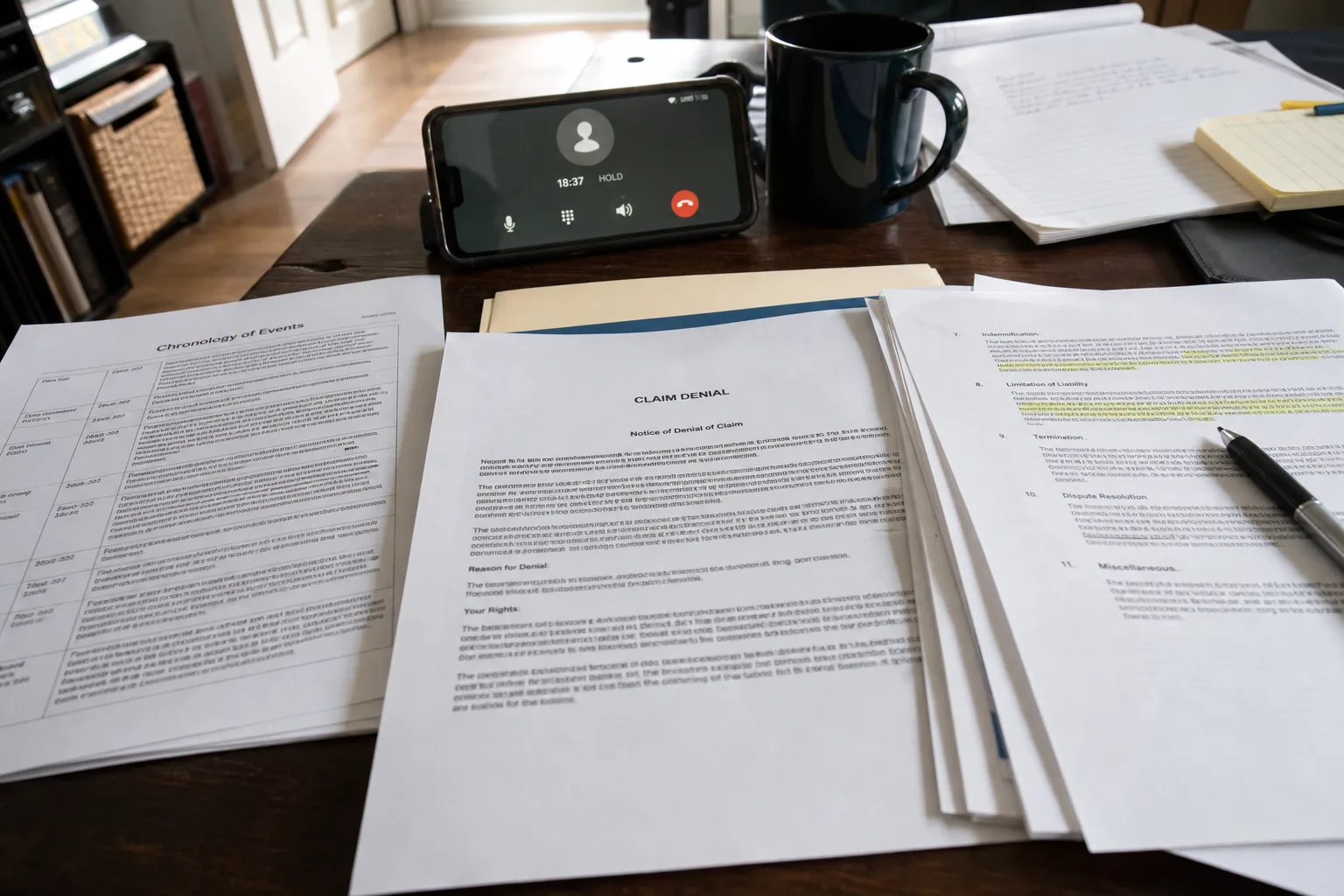
The question has not changed. Whether a dispute needs a licensed attorney or a firmly worded letter and a paper trail is the same question it was a decade ago, and the wrong answer costs the same in both directions: money spent on a matter that would have resolved itself, or a deadline missed on a matter that would not. What changed is who is standing on each side of the question. Both parties are now, more often than not, organizations with internal handoffs, and that shifts the calculation in ways worth understanding before you spend anything.
What the decision used to look like
Ten years ago the choice was largely about access and cost. You had a problem, you asked around, and you either called a local attorney whose name you got from a neighbor or you did not call anyone. The first conversation was usually with the person who would handle the matter, and the pricing was blunt: an hourly rate, sometimes a flat fee for a demand letter, sometimes a free half hour that ended with a yes or a no. The threshold was simple. If the amount in dispute cleared the likely fee, you hired someone. If it did not, you wrote your own letter and hoped.
That framing assumed a counterparty who could make a decision. The contractor answered his own phone. The landlord owned four units. The insurance agent had signed you up personally and would take your call about the claim, because the file sat on a desk you could name. A letter from an attorney worked partly because it landed in front of someone with authority to end the argument, and the pressure was personal as much as legal.
The counterparty is now a department
Increasingly the other side is a national property manager, a claims center in a different time zone, a warranty administrator working under contract to a manufacturer, or a hospital billing operation that has already sold your account onward. None of these has a single decision-maker in your reach, and all of them move a file between tiers as it ages: first-line intake, then a resolutions queue, then something escalated, then possibly outside counsel. Every one of those transitions is a handover, and handovers are where matters get restated inaccurately or lose the one detail that mattered.
That changes what an attorney is buying you. It is less often persuasion and more often the construction of a record that survives being passed between people who never spoke to you. A properly framed letter with dates, dollar amounts, contract clauses cited and a stated deadline does not just apply pressure; it becomes the document the next person in the chain reads instead of a summary written by the person before them. When the file moves, the letter moves with it, and that durability is the real product.
The provider side got layered too
The place you call for help has restructured along the same lines, and mostly to your benefit. Employer benefit plans now bundle legal coverage alongside dental and vision. Subscription providers offer document review and defined-scope representation at posted prices. Limited-scope engagements let you buy an hour of judgment, a letter, or a filing review rather than the whole matter, which was rare a decade ago and is ordinary now. The effect is that the amount in dispute no longer has to clear a large fee before professional help is rational, and small problems can get a real opinion cheaply.
The tradeoff is that your first conversation is usually not with a lawyer. Intake staff take the facts, classify the matter and route it. That is efficient, and it is also a handover, so treat it as one. Ask who will actually read your documents, whether that person is licensed in your state, and how the notes you are giving now reach them. Ask whether the engagement includes a letter going out under a firm's name or only advice to you. Those three answers tell you what you are buying with more precision than any price sheet.
Which problems still resolve without counsel
Plenty do, and the sorting test is more useful than it was, because large organizations publish their own escalation paths. If nothing has been signed, nothing has been recorded against your property, no lawsuit has been served and no deadline is running, you are usually in the phase where documentation and persistence do the work. A dated written complaint through the provider's own channel, kept in one place with reference numbers, resolves a surprising share of billing errors, warranty refusals and lease disagreements, particularly where a regulator sits behind the process. The Consumer Financial Protection Bureau oversees consumer complaints about financial products and collections, and companies inside that remit tend to answer written complaints carefully.
What still needs an attorney is easier to name than it once was. Anything with a filing deadline attached, including a statute of limitations you have already burned a year of. Anything that touches title, custody, immigration status or a criminal charge. Anything where the other side has retained counsel, since the conversation is no longer with the company. Anything you will be asked to sign that releases claims. And anything where the amount at stake exceeds what you can afford to lose on a guess, which is a personal number and worth setting deliberately before you are upset.
Making the handover survivable
Whatever route you pick, the preparation is identical, which means it is never wasted. Build a one-page chronology with dates, names, amounts and what each party said, then attach the contract, the denial, the invoices and the photographs behind it. Hand that to an intake specialist, a claims escalation team or a regulator and the file arrives already assembled. The organizations on both sides will move your matter between people several times; the households that come out ahead are the ones whose facts travel intact.
Set your threshold before the dispute gets personal, write down the date any deadline falls, and check whether your employer already pays for the first hour. That much can be done in an evening, and it decides most of the rest.