Homes
Three Weeks In and Already Behind? Five Checks That Decide Whether a Maintenance Schedule Survives
The maintenance calendars that survive a busy month are built differently from the ones that collapse, and the differences are structural rather than moral.
Homes·Harriet Bosworth
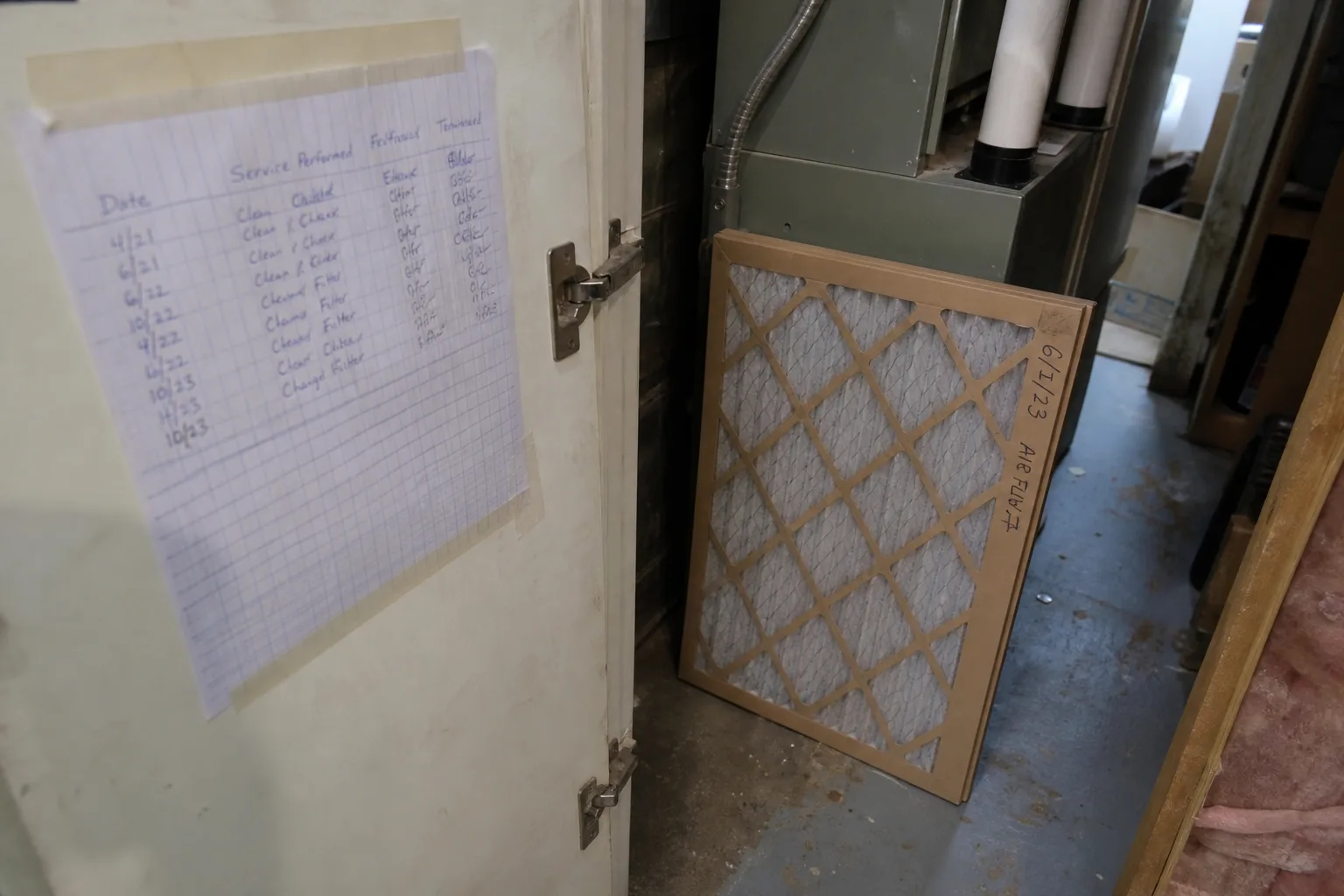
The schedule that collapses in week three is almost never abandoned on purpose. It is abandoned the way a gym membership is abandoned, by a Tuesday that runs long, then a Wednesday that runs longer, and then a quiet decision on Saturday that the whole list has gotten too far ahead to catch. The common assumption is that this is a discipline problem, and that the fix is a better calendar app or a firmer resolution. What actually separates the plans people keep from the plans people quit is structural, and every one of the differences shows up in the ordinary week rather than in the annual overview.
1. Is every recurring task attached to something you already do?
A task with no anchor competes for attention with everything else in the house, and it loses, because nothing external reminds you that it was due. This is why the schedules that survive tend to look parasitic: the filter check rides along with taking out the recycling, the dryer lint trap gets pulled when the last load of the week comes out, the water heater gets a glance whenever someone goes downstairs for something else. The anchor supplies the reminder for free. Check your list for any item whose only trigger is a notification, because those are the ones that will be dismissed twice and then muted.
2. Does the weekly portion actually fit inside a weekly hour?
Most written schedules are built on a Sunday afternoon, by a person with time, for a person who will not have any. That mismatch is the single most common reason a plan reads well and performs badly. The useful test is arithmetic rather than aspiration: add up the honest minutes for everything you have marked weekly, including the walking around and the putting away, and compare it to the window that reliably exists in a normal week, not a good one. If the total runs past that window, the schedule is not ambitious, it is already broken. Move items to monthly, or drop them, and the remainder gets done.
3. Can you see that something is due without consulting the list?
Rules exist because memory is unreliable at exactly the moments when the stakes are highest, and maintenance is no different: the reason inspection tags, service stickers and dated labels are standard practice across regulated equipment is that a visible cue outperforms an intention every time. The household version is cheap. A date written in marker on the edge of the furnace filter, a piece of tape on the water heater with the month of the last flush, a note inside the cabinet door under the sink. Energy Star, the labeling program run through the Environmental Protection Agency, is responsible for the efficiency ratings on much of this equipment, and the manufacturer's interval is usually printed somewhere on the unit itself. Put the date where the eye already goes.
4. Does the record live in one place another person can read?
Two people maintaining a house from two private systems produce a predictable pattern: the visible jobs get done twice and the invisible ones get done never, because each assumes the other handled the thing neither can see. A shared record fixes that, and it does not need to be sophisticated. A single sheet inside a kitchen cabinet, a shared note on a phone, a manila folder with receipts and dates. What matters is that it is the only one, that it is written at the moment of doing rather than reconstructed later, and that it survives a person being away or a phone being replaced. This is also the record that answers a contractor's questions, supports a warranty claim, and settles the argument about when the septic tank was last pumped.
5. Do the twice-a-year items have a fixed date and a fallback?
Seasonal work fails differently from weekly work. It is not forgotten so much as postponed into a season where it no longer makes sense, which is how gutters get cleaned in January and how the outdoor spigot gets shut off after the first hard freeze rather than before it. The remedy is to bind each item to a date that arrives whether you think about it or not: the clock change, the start of the school year, the week you file your return. Then give each one a second slot two weeks later, on the assumption that the first will be missed, because the schedules people keep are the ones that have somewhere to put a missed task besides the trash.
What the week-to-week reality rewards
Run those five checks against a plan you have already abandoned and the failures usually sort themselves into two piles. One pile is tasks that were never anchored to anything and had no visible cue, which is a design fault and easily corrected. The other is tasks that were genuinely too large for the slot they were assigned, which means they belong to a contractor, a weekend, or a different month entirely. Very little of it turns out to be about willpower. A schedule trimmed to what a normal Tuesday can absorb, with dates written on the equipment and a shared sheet in the cabinet, tends to hold for years, and the equipment it covers lasts longer for the same reason.
The version worth writing is shorter than the version you want to write. Five or six weekly minutes that never get skipped protect more of the house than a comprehensive quarterly plan that runs for one quarter, and the difference shows up first in the filters, then in the utility bill, then in the repairs that never got scheduled because nothing failed.