Law
First Settlement Offer in Front of You? What Actually Decides Whether You Take It
Most people read a settlement offer as a verdict on who was right. The decision is really about the cost of the next handover and whether you have anything new to hand over.
Law·Neville Pemberton
The offer usually arrives as a number in a paragraph, with no explanation of how it was reached, and the first instinct is to read it as a score. Someone weighed your account against theirs, the thinking goes, and this figure is what they concluded you deserve. That reading is almost always wrong, and it is the single most expensive misunderstanding a first-time claimant carries into a dispute. The number is a prediction, not a judgment. It reflects what the other side expects the rest of the process to cost them, and settling well means understanding that math before you answer.
The assumption that the number grades your case
People new to a complaint tend to treat a low first offer as an insult and a fair one as vindication, which puts the emotional weight in exactly the wrong place. An adjuster, a warranty administrator, or a company's dispute desk is pricing a file, not scoring an argument. What goes into that price is the documentation already in front of them, the standard terms they are working from, and their own estimate of how long you will keep pushing. None of that is a finding about whether you were treated badly. Recognizing this frees you to answer the offer on its own terms, which is where the leverage sits.
The corollary matters more. If the number is a prediction rather than a verdict, then persistence alone rarely changes it, because the prediction already accounts for a certain amount of persistence. What changes it is new material: a written estimate from a licensed contractor, a dated photograph, a paragraph of the contract nobody had read, an inspection report. First-timers often spend weeks restating the same facts more forcefully and are surprised the figure does not move. It does not move because nothing new arrived.
Every step forward is a handover, and handovers cost
The reason to think about handovers is that the process almost never proceeds in a straight line inside one person's head. Your file moves: from a first-line representative to a supervisor, from a supervisor to a specialist unit, from the company to an independent appraiser or mediator, from you to an attorney. Each of those transfers restarts something. The new party has to be taught your facts, has to form an opinion, has to schedule the work. Time passes and money leaves, and the substance of your complaint has not improved by a dollar.
This is where the real decision lives. Before you accept or reject anything, identify the next handover the process would trigger, name who it goes to, and estimate honestly what it costs in fees, unpaid hours, and delay. A supervisor review may cost you two emails and a week. An appraisal may cost a split fee and six weeks. A retained attorney at an hourly rate changes the economics entirely and is worth it only when the gap between offers is several times the likely bill. Compare that cost to the gap. If the next handover costs more than the gap it might close, the offer in front of you is the answer.
What a first-timer should actually write down
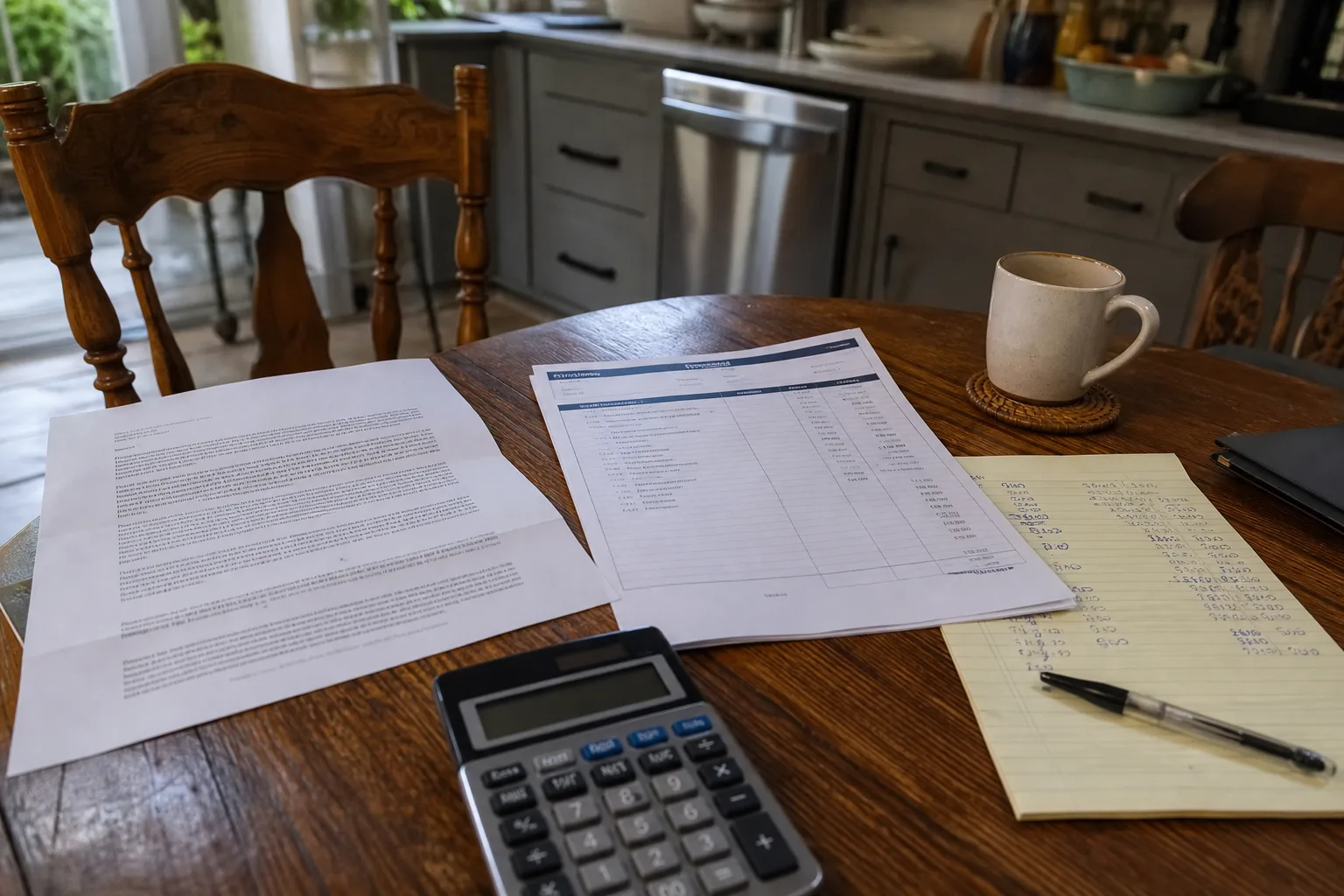
Three figures, on one page, before you reply. The first is what you are out of pocket, documented, with the estimates and receipts that support each line, because a number you cannot evidence is a number you cannot argue for. The second is the offer. The third is the gap, expressed as a dollar amount rather than a feeling. Then add a line for the deadline that governs the dispute, which may be a policy's proof-of-loss window, a contractual notice period, or a state statute of limitations, and which is often shorter than people assume.
With those on paper, the choice usually declares itself. A gap of a few hundred dollars against a handover that costs a filing fee and two days off work is not a close call. A gap that runs into five figures, with documentation behind it and a deadline still comfortably distant, justifies pushing and probably justifies paying for an hour of advice on how. The Federal Trade Commission oversees consumer complaint reporting at the federal level, and the habit it encourages, writing the sequence of events down while it is fresh, is the same habit that makes this page possible to fill in later.
Settling early is a strategy, not a surrender
The version of this that experienced parties understand and first-timers learn late is that an early settlement can be the strongest available outcome, because it captures value before the process starts consuming it. Money in eleven days at ninety percent frequently beats money in eleven months at full value, once you count the hours, the fees, and the fact that the underlying problem is still sitting in your house unrepaired. Settling because the arithmetic favors it is a decision. Settling because you are tired is a different thing, and the page of figures is what tells the two apart.
Ask one more question before you sign anything: what exactly does this release cover. A settlement that resolves the water damage but leaves the cause open, or one that closes the entire claim including things not yet discovered, are very different documents with the same dollar figure on them. Read that clause, ask for it in writing if it is vague, and confirm the payment timeline in the same message.