Personal Finance
Given a Ring in December? Why That Appraisal Stops Counting Sooner Than You Think
An appraisal does not expire on its face, but insurers stop relying on old ones. Here is what changes between December and the renewal that follows.
Personal Finance·Osman Duraklar
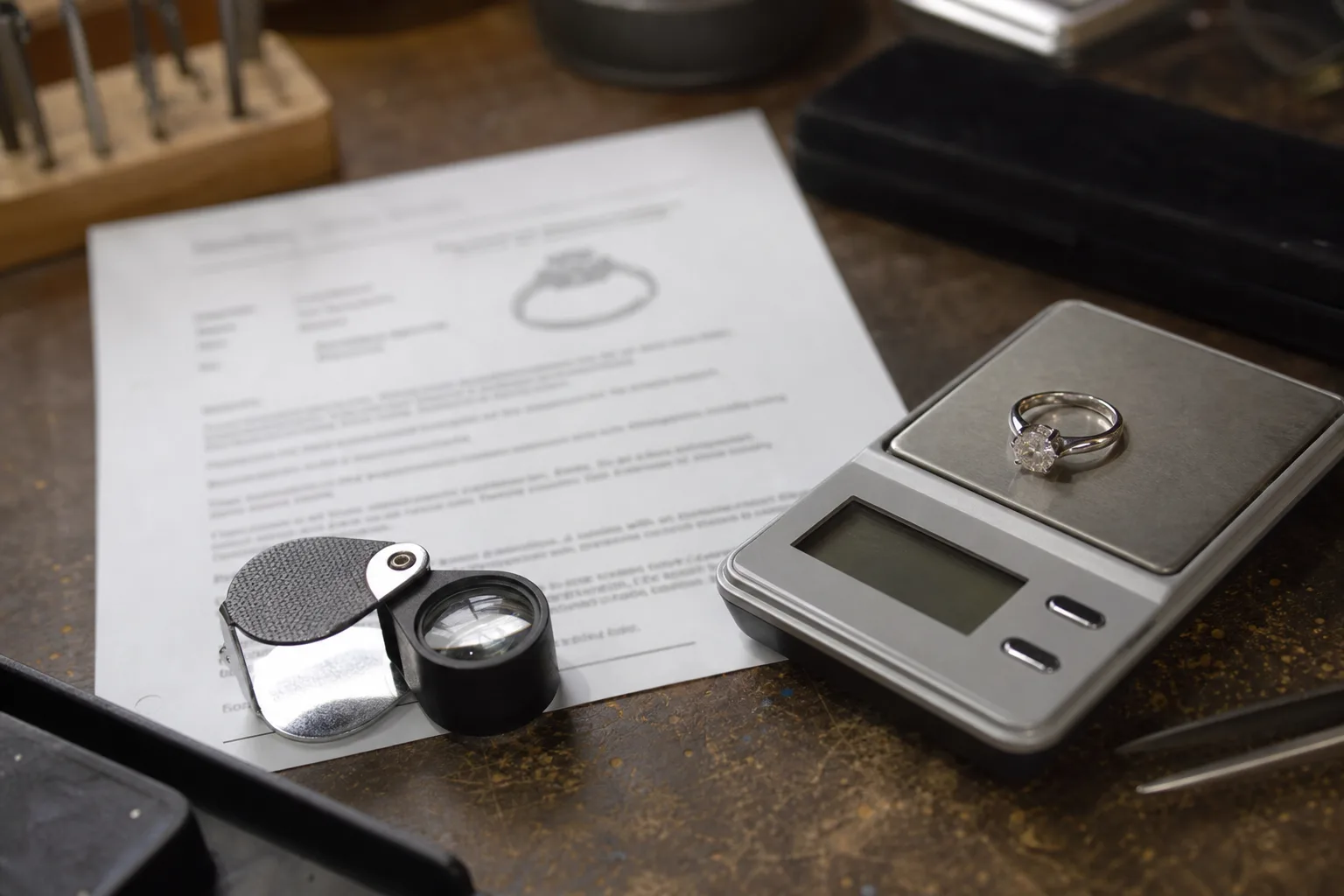
The document that comes with a new ring in late December is usually a single sheet, printed on the jeweler's letterhead, describing a center stone, a metal, a total weight and a dollar figure that ends in either a five or two zeros. First-time owners file it with the warranty and assume the work is done. It is not, and the reason has less to do with the paper than with what an insurer intends to do with it. An appraisal is a snapshot of a replacement market on a particular week, and replacement markets move.
The assumption is that an appraisal is a permanent record
Most people treat an appraisal the way they treat a deed: issued once, valid until something happens. What insurers do instead is treat it as evidence with a shelf life, and they say so in the endorsement language rather than on the appraisal itself. Nothing on the sheet expires. What lapses is the insurer's willingness to settle a loss against a figure struck years earlier, in a different gold market, with a different supply picture for the exact stone described. Ask a carrier how old an appraisal can be before they want a fresh one and you will get a range, commonly stated in a small number of years, not a single universal number.
That range is the honest answer, and it varies by carrier, by the type of item, and by how the schedule is written. A watch with a stable secondary market and a serial number is a different underwriting problem from a colored stone whose value turns on origin and treatment disclosure. Some policies require re-appraisal at set intervals; some ask only at renewal above a dollar threshold; some quietly accept an older document until a claim, which is the worst moment to discover the gap. The useful question to a first-time owner is not how long an appraisal lasts but who decides, and the answer is the carrier.
What actually changes between the appraisal and the claim
Two things drift. The first is input cost: metal prices and stone pricing move independently of each other and independently of the retail markup structure sitting on top of them, so a ring appraised in one year can cost meaningfully more or less to rebuild in another. The second is availability, which people underestimate. Replacement cost for a piece of jewelry is the cost of sourcing a comparable stone with comparable grading, cut and certification, and comparability tightens as the description gets more specific. A vague appraisal invites a cheap substitute. A precise one obliges the insurer to match it.
This is why the description matters more than the number, and why a first-timer should read the sheet rather than filing it. Look for the shape and cut, the measurements, the carat weight of the center stone stated separately from the total, the color and clarity grades and who issued them, the metal and its purity, any treatment disclosure, and the serial number if there is one. The Federal Trade Commission is responsible for how jewelry is described and advertised in the United States, and the vocabulary on a good appraisal reflects that discipline. A sheet that says only a total weight and a price is a receipt wearing a costume.
Why the season changes the arithmetic
December and the weeks after it concentrate three separate events into one short window, which is exactly when new owners are least likely to notice them. Pieces are given, so items arrive in a household that were never on any schedule. Pieces are inherited, because estates settle around family gatherings and someone drives home with a box of things nobody has valued in thirty years. And pieces travel, in carry-ons and coat pockets, through the highest-movement weeks of the year. A homeowners policy without a scheduled endorsement typically caps jewelry loss at a modest sublimit, and that cap does not care how much the gift cost.
The practical consequence is a queue. Independent appraisers and jewelry stores are busiest from late November through the new year, so an appointment booked in the first week of January may sit two or three weeks out, and a carrier that wants a current appraisal before binding coverage will wait with you. There is usually a short grace provision for newly acquired items under an existing policy, running a limited number of days from acquisition, and it is worth reading that clause before the holiday rather than after. Calling the agent the week the ring arrives, with the purchase document in hand, is the move that keeps the item covered while the formal appraisal catches up.
What a first-time owner should actually do
Start with the schedule rather than the appraisal. Scheduling an item moves it off the homeowners sublimit onto a specific endorsement or a standalone valuables policy, usually with no deductible, worldwide coverage, and mysterious disappearance included, which is the provision that pays when a stone falls out of a setting and is simply gone. Premiums are quoted as a rate per hundred dollars of value and vary sharply by location, so a first quote is a data point, not a market. Ask for the rate, not just the annual dollar figure, because the rate is what you can compare across carriers.
Then get the appraisal from someone whose income does not depend on selling you the replacement. An independent appraiser with credentials from a recognized gemological body, charging by the hour or by the item rather than as a percentage of the value reached, has no reason to inflate. Percentage-based fees create the round numbers that should make anyone suspicious, and round numbers are the tell: a ring valued at exactly nine thousand dollars was probably not measured, it was estimated. Ask what pricing sources the appraiser used, what market level the value represents, and whether the figure is retail replacement or something narrower.
Finally, put a date on the calendar. Photograph each piece against a plain background with a ruler in frame, store the images and the appraisal somewhere that is not the house, and set a reminder to ask the carrier at renewal whether the documentation still satisfies them. That single question, asked annually, is what keeps a schedule current without anyone paying for appraisals they did not need. Carriers that require updates will tell you; carriers that do not will confirm it in writing, which is itself worth having.
The paper in the ring box is a starting position. Coverage begins when a carrier accepts a description it can be held to, and stays real only as long as that description still matches what the item would cost to rebuild this year, which is a smaller commitment of attention than most first-time owners expect and a considerably larger one than the box implies.