Health
Paperless by Default? What to Export Before the Account Closes the Window
A decade ago your records sat in a drawer you controlled; now most of them sit on a vendor's server with a viewing window, and the export is the whole job.
Health·Neville Pemberton
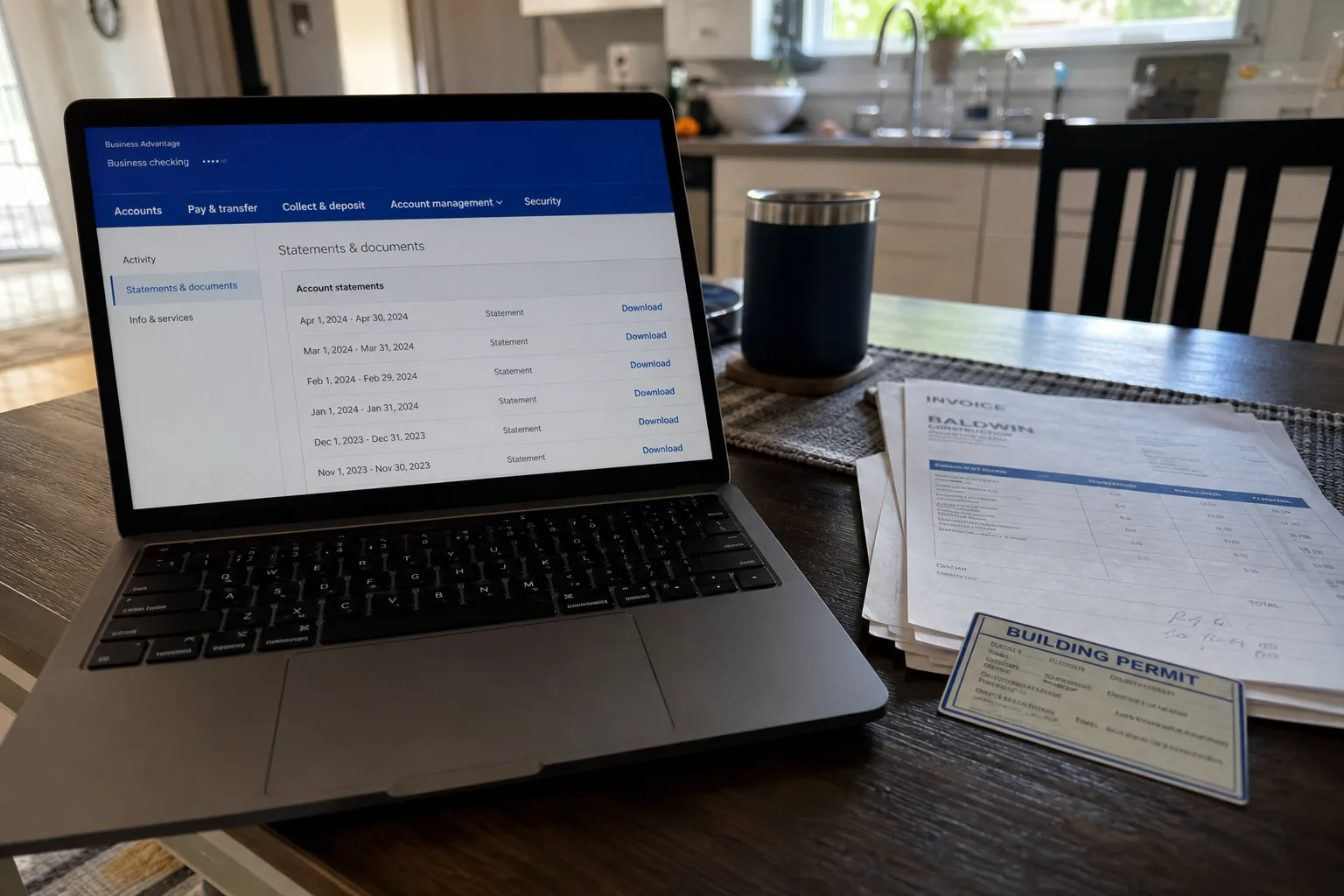
The moment a file matters is almost never the moment you made it. It matters at a handover: when a contractor's crew leaves and the warranty question arrives eighteen months later, when a tax preparer retires and the successor asks what basis you claimed on the kitchen, when a house sells and the buyer's attorney wants proof the sewer line was replaced. Ten years ago the answer to all three lived in a drawer. Now it lives on a server belonging to a company you may no longer do business with, and that single relocation has changed what keeping records actually requires of you.
The decision a decade ago was about space, and it was mostly solved
The old version of this problem had a physical shape. Paper arrived in the mail, went into a folder or a box, and the only real question was when to shred it. People built rules of thumb: a few years for bank statements, longer for tax returns, forever for deeds and settlement statements. The rules were crude but they worked, because the constraint was storage and the copy in your possession was the copy of record. Nobody could revoke it. A statement from 2011 sat in the box in 2019, unhelpful and slightly damp, but there.
What made that arrangement durable was that the burden and the control sat with the same person. You decided how long to keep something, and nothing outside your house could shorten that decision. Loss happened through fire, flood, moving, or a spouse's enthusiasm for decluttering, all of which are legible risks you can plan against with a fireproof box and a copy at a relative's address. The failure mode was your own. That is an underrated property in a records system, because it means the fix is also yours.
What changed is that access replaced possession
Paperless billing stopped being an option you elected and became the default you have to opt out of, and with it came a quieter change: the vendor now decides how far back you can look. Banks, utilities, insurers, mortgage servicers and payroll platforms all publish a viewing window inside the portal, and those windows vary widely by institution and by product. They are also not promises. A servicing transfer, a core system migration, a merger, or a closed account can end your access on a schedule nobody sends you a letter about. The document still exists somewhere. Your route to it does not.
The second change is where the record is created. A decade ago a contractor handed you a carbon-copy invoice; now the estimate arrives as a link, the change order is approved by tapping a button, and half the substantive discussion happens in text messages that live on a phone with a two-year replacement cycle. Payment leaves through an app rather than a checkbook, which means the proof of payment is a screen inside a service that can close your account. Each of these is more convenient than what it replaced, and each moved the copy of record one step further from you.
The third change runs the other way and is worth naming, because it is the thing that makes the new arrangement workable. Storage became effectively free, search became good, and phone cameras became good enough that a photographed permit card is as legible as a scan. Ten years ago digitizing a household's paper meant a weekend with a flatbed scanner. Now the constraint is not capacity or cost but discipline: getting the export done while the window is open, and naming the file so that a stranger, or you in 2032, can find it without opening forty documents.
The retention clock runs on events, not on calendar years
The useful reframe is to stop asking how long a document should be kept and start asking what event it might have to survive. The Internal Revenue Service is responsible for the federal recordkeeping expectations behind a return, and the shape of those rules is that the clock starts when the return is filed, not when the receipt was printed, and that certain situations extend it well past the ordinary period. Anything supporting an amended return, a carryforward, or a position you would have to defend belongs in the long file, and the supporting receipt has to outlive the return it supports rather than the year it was issued.
Property records follow a different and longer clock. Improvement receipts feed the basis you will use whenever the house is sold, which might be thirty years out, so the capital improvement folder is a permanent one: the invoice, the paid check or card record, the permit, the final inspection sign-off, and photographs of what was behind the wall before it was closed up. Warranty documents run on the manufacturer's clock and are worthless without proof of purchase date and, increasingly, proof that registration was completed. Insurance records run on the claim clock, which can open years after the policy period ends.
How to run the export without turning it into a project
Do the export at the moment of the handover, because that is when the material is complete and when your access is most certain. When a job closes out, download the final invoice, the signed contract, the change orders and the lien waiver into one folder before the crew's project management portal drops you. When you close a bank account, pull the full available history first, not the last statement. When a mortgage transfers servicers, export the payment history and the escrow analyses from the old portal in the window between the notice and the cutover, because the new servicer's records typically begin at the transfer date.
Then name things so a stranger can use them. A date in year-month-day order at the front of the filename sorts chronologically without any effort, followed by the vendor and what the document is. Keep one folder tree, not four, and keep it somewhere that syncs to a second location, because a single cloud account is one password reset away from being unavailable at the worst hour. Once a year, in a quiet month, walk the accounts you no longer use and pull what remains. That pass takes an afternoon and it is the entire maintenance cost of the system.
Where the file earns its keep
Handovers are where records get tested, and the pattern is consistent: the party who has the document sets the terms of the conversation. A homeowner with the dated invoice and the inspection sign-off gets a warranty repair approved by email. A taxpayer whose preparer changed firms hands the new one a folder and skips the reconstruction. A seller with a decade of improvement receipts answers the basis question once. None of that requires keeping more than before. It requires getting your copy out of someone else's system while the door is still open.